







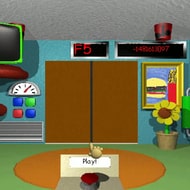

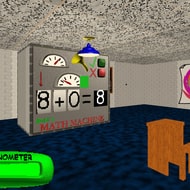


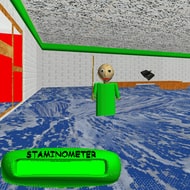

















The Choicer Voicer


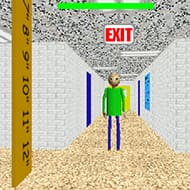
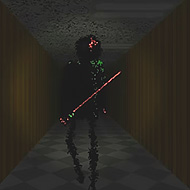
The Choicer Voicer puts you behind a microphone and asks a deceptively simple question: can you make the right voice choice before the scene loses its rhythm? You listen closely, choose a voice pack, and react to dialogue cues while the game turns small timing decisions into the center of each scene. The premise is built around voice selection rather than combat, with the microphone, voice packs, and dialogue flow shaping how you approach each challenge.
| Genre | Casual voice and rhythm game |
| Platform | PC |
| Core mechanic | Select and use voice packs to match the needs of each dialogue-driven scene |
| Win condition | Complete scenes by making appropriate voice choices and maintaining the intended flow |
The Choicer Voicer and Its Voice-First Structure
The microphone is the obvious starting point, but The Choicer Voicer is less about speaking continuously and more about understanding when a particular voice belongs in a scene. Voice packs give the game its main layer of choice, while dialogue cues provide the timing context. Early in the game, the safest approach is to listen before clicking because rushing can make a straightforward prompt feel confusing.
Players who enjoy rhythm games usually recognize the basic loop quickly: observe the cue, identify the expected response, and commit before the moment passes. Casual players can take a more deliberate approach by learning the relationship between dialogue and voice packs instead of treating every prompt as a reaction test. The important habit is to separate what a character says from what the scene is asking you to select.
A small detail becomes familiar after a few scenes: the change in pacing around a voice transition is often more useful than staring at the available choices. That makes the microphone setup more than a technical checkbox, because a clean input path lets you focus on the actual decision instead of wondering whether a response registered.
Reading Voice Packs in The Choicer Voicer
Voice packs are where the game becomes more interesting than a simple sequence of prompts. Each pack gives you a different vocal identity to consider, and recognizing the intended tone can matter more than choosing quickly. By the time you are comfortable with the basic dialogue flow, you start reading the scene as a combination of wording, timing, and vocal character.
Voice-pack matching is the community-friendly way to describe the practical skill here: players compare the context of a line with the character of a voice before committing. That approach is especially useful when several choices initially sound plausible. Instead of memorizing isolated answers, learn why one voice fits a particular moment.
The game can feel surprisingly demanding when the available choices are close together. That is also one of the divisive points players may notice: some scenes reward careful interpretation, while others can feel less obvious if you expect every answer to have a single unmistakable clue.
Progression, Timing, and Common Mistakes
Difficulty rises mainly through familiarity and decision pressure rather than a traditional combat-style power curve. Early scenes give you room to understand how voice packs interact with dialogue, while later moments expect faster recognition. Once the dialogue flow becomes familiar, the challenge shifts toward avoiding impulsive selections.
Beginners often make the same mistake by treating every prompt as an isolated question. A better method is to remember what happened immediately before the choice, because the surrounding dialogue supplies context that a single line may not provide. Players who prefer methodical puzzle solving will usually benefit from this approach, while players who like fast rhythm inputs may need to resist clicking on instinct.
Advanced players can also use pauses between lines as information. Listening for a change in delivery, watching when a voice transition occurs, and keeping track of which voice packs have already been established can reduce unnecessary retries. The strongest runs feel less like guessing and more like recognizing a pattern that was already present in the scene.
Long-Tail Questions About The Choicer Voicer
How do you use the microphone in The Choicer Voicer?
The microphone is part of the game’s voice-focused setup, so begin by checking that your input is detected before concentrating on scene decisions. A stable microphone path lets you focus on dialogue cues and voice packs instead of troubleshooting during a sequence.
How do voice packs work in The Choicer Voicer?
Voice packs provide the vocal choices that shape the dialogue flow, and the useful skill is matching the available voice to the context of the scene. Listening to the preceding line and recognizing established voice transitions is more reliable than selecting a pack purely because it sounds distinctive.
What should beginners focus on in The Choicer Voicer?
Beginners should first learn the relationship between dialogue cues, the microphone setup, and voice packs. Once that rhythm is familiar, focus on timing and context rather than rushing every selection, because many mistakes come from committing before the scene has provided enough information.
The Choicer Voicer works best when you pay attention to the small relationship between dialogue, microphone input, and voice packs instead of chasing speed for its own sake. Once the flow clicks, the familiar transition between lines becomes a useful signal, and each choice feels more deliberate. The microphone and voice packs are what give The Choicer Voicer its distinct identity, turning a simple selection loop into a focused test of listening and timing.