














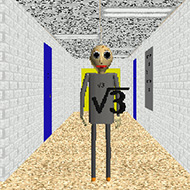
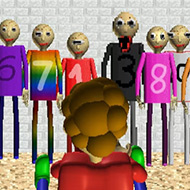



Where’s Baldi?

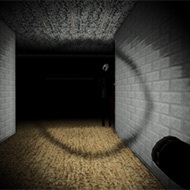
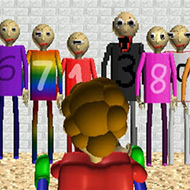



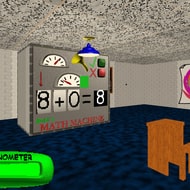
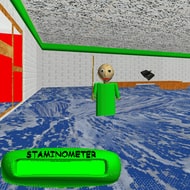
Where’s Baldi? places players in a tense environment where awareness matters more than speed. The experience is built around tracking movement, reacting to sound, and making careful navigation choices under pressure. Instead of direct instructions, the game encourages players to learn through observation, gradually understanding how every action influences Baldi’s behavior.
Environmental Awareness and Movement Control
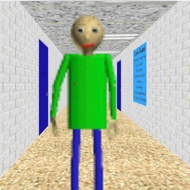
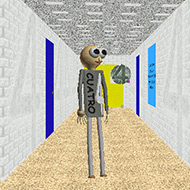
In Where’s Baldi?, the environment functions as both a tool and a threat. Hallways, rooms, and intersections shape how encounters unfold. Movement is never neutral: quick steps may shorten escape routes, while slow pacing can provide better reaction time. Players often discover that stopping briefly can be safer than constant motion.
A frequent question involves whether specific routes are safer. The answer depends on timing rather than layout. Repeating the same path too often increases risk, while adjusting direction mid-navigation helps reduce predictability.
- Listening carefully helps identify Baldi’s position
- Changing routes prevents pattern recognition
- Controlled pacing reduces sudden encounters
How Baldi Reacts to Player Decisions
Baldi does not follow a fixed script in Where’s Baldi?. His reactions depend on how the player behaves. Aggressive movement increases chase pressure, while measured actions may delay escalation. This dynamic response system rewards patience and situational judgment.
Players often ask whether Baldi can be misled. While there are no direct distractions, positioning and timing can influence pursuit intensity. Standing still at the right moment can sometimes create a brief window to reassess options.
- Sudden turns increase detection
- Repeated noise raises attention
- Distance management affects pursuit speed
Survival Techniques and Common Questions
Advanced play focuses less on escaping and more on managing pressure. In Where’s Baldi?, knowing when not to move is just as important as knowing where to go. Experienced players use intersections as decision points rather than rush zones.
Another common question concerns repetition. While spaces may feel familiar, outcomes vary enough to discourage memorization. Adaptive thinking consistently produces better results.
Where’s Baldi? rewards thoughtful navigation and calm reactions. Players who focus on awareness instead of urgency gradually gain control, turning tense moments into manageable situations through experience and observation.