





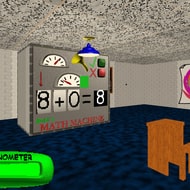


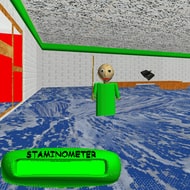









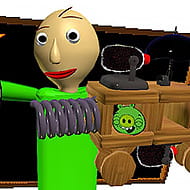
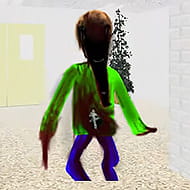
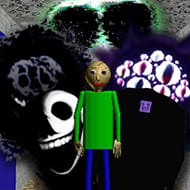


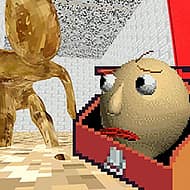
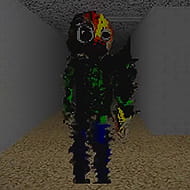
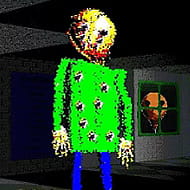
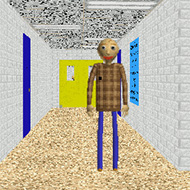
Baldi’s Basics Kind edition
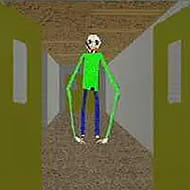
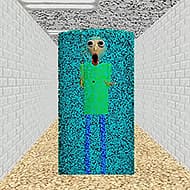

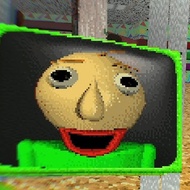
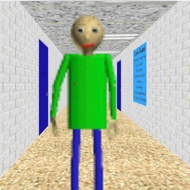
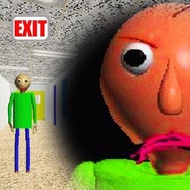
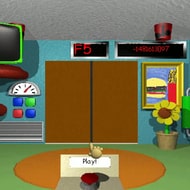
You step into a quiet hallway where Baldi is not shouting, not chasing, and not even tapping the ruler with urgency. In Baldi’s Basics Kind edition, that calm is the first thing that feels wrong, because every familiar system is still there, just softened and delayed. The same notebooks wait in classrooms, the same doors creak open, and the same chalkboards ask questions, but the pressure builds in a different rhythm. Baldi’s Basics Kind edition plays with expectation by turning the usual tension into a slow burn that tests how well you really understand the rules. The moment you hear the faint ruler tap instead of the usual sharp sound, you realize the pacing is different, but the consequences are not.
Early Flow and First Mistakes in Baldi’s Basics Kind edition
The opening minutes of the game feel forgiving, and that is exactly where beginners slip. Players rush through the first notebooks, assuming that slower movement means lower danger, but the core system has not changed at all. Every wrong answer still adds to Baldi’s speed, and the delay only masks how quickly that speed stacks in the background. By the third notebook, the difference between one mistake and three becomes visible, but by then the player is already committed to a risky route.
Many players also ignore sound discipline early on, which is a critical mistake in this game. The School Faculty Room door, the cafeteria trays, and even the squeak of lockers opening still produce sound cues that Baldi tracks. Because the response is delayed, players think they are safe, but the pathing logic still updates in real time, meaning Baldi is already adjusting position before the chase even feels active.
The game quietly punishes overconfidence rather than obvious mistakes, which makes early success misleading.
Another beginner error involves ignoring the Principal of the Thing. Running in the halls too early triggers detention, and in Baldi’s Basics Kind edition, that timing often aligns with Baldi’s delayed approach. Players exit detention expecting space, only to hear the ruler immediately behind the door.
Item Control and Space Awareness in Baldi’s Basics Kind edition
Items like BSODA, the Energy Flavored Zesty Bar, and the Yellow Door Lock behave exactly as expected, but their timing becomes more critical in this version of the game. Because Baldi accelerates later, players often waste items too early, leaving no escape tools for the real chase phase. A Zesty Bar used before the fourth notebook rarely provides value compared to saving it for late-game repositioning.
Positioning matters more than speed in this game. Long corridors, especially near the cafeteria and Principal’s Office, become traps if you do not plan exit routes in advance. Turning into a dead-end classroom without checking for a secondary exit is one of the most common run-ending mistakes once Baldi’s speed spikes.
The game rewards patience over panic, especially when managing limited inventory slots.
A useful technique involves using the Yellow Door Lock on high-traffic doors near intersections. Locking a door just before Baldi reaches it forces a path recalculation, which in this version creates a longer delay due to slower initial reaction. This buys more time than simply pushing him back with BSODA in open space.
Mid-Run Escalation and Hidden Pressure
After collecting four notebooks, Baldi’s Basics Kind edition shifts tone without warning. The ruler sound returns, but softer, and the intervals tighten in a way that is harder to track compared to the base game. Players who rely on counting steps instead of reading space start to fail here, because the audio cues no longer provide clean timing windows.
Playtime and Gotta Sweep still disrupt movement patterns, but their interactions feel more dangerous because of the delayed chase in this game. A Playtime jump rope sequence near a corner can trap the player just long enough for Baldi to close distance silently. Gotta Sweep can also push the player into unfavorable routes, especially near the cafeteria where space is limited.
This is where most runs collapse, not from speed but from misaligned timing.
One detail experienced players notice is how the ambient silence changes after the fifth notebook. The school feels emptier, but that silence hides how close Baldi actually is. The absence of loud cues becomes a mechanic on its own.
Advanced Route Planning in Baldi’s Basics Kind edition
Experienced players treat the school like a loop rather than a series of rooms in this game. Instead of clearing nearby notebooks, they map a circular route that keeps distance from Baldi while maintaining access to key items. This reduces the chance of getting cornered after the fifth notebook, especially near long hallways with limited exits.
Another overlooked technique is intentional noise baiting. Opening a door in one corridor and immediately redirecting can mislead Baldi’s pathing, especially before maximum speed kicks in. In Baldi’s Basics Kind edition, the delayed reaction amplifies the effectiveness of this trick compared to the base version.
The game rewards players who think two rooms ahead instead of reacting to what they see.
Some players also use the Principal’s Office strategically. Triggering detention at the right moment can reset spacing if Baldi is far enough away, but this is risky and requires precise timing. Done incorrectly, it results in immediate capture upon exit.
Which players stay with Baldi’s Basics Kind edition longer?
Cautious explorers are drawn to the slower pacing that lets them observe details. They enjoy studying how Baldi reacts to sound and movement rather than reacting instantly to danger. During a run, this feels like solving a moving puzzle where every hallway becomes a calculated decision.
Route optimizers enjoy building efficient paths through the school layout. The delayed aggression in the game highlights how good or bad a route really is under pressure. Each run feels like refining a personal map until every turn minimizes risk.
Item strategists focus on when and where to use tools like BSODA and the Zesty Bar. The game rewards precise timing more than quick reactions, especially during late-stage chases. This creates a feeling of control even when Baldi’s speed becomes overwhelming.
Players who dislike sudden spikes prefer the gradual escalation curve. Instead of instant chaos, tension builds in layers that can be read and predicted. The experience feels tense but manageable, right until a small mistake shifts everything.
Escaping the Final Loop
Players often ask how to escape Baldi after the seventh notebook in Baldi’s Basics Kind edition, and the answer lies in space control rather than speed. The exit doors only become viable if you maintain a loop that keeps Baldi behind at least two intersections. Breaking line of sight using corners and doors is more effective than trying to outrun him directly.
Another common question is how BSODA works in tight spaces, and it becomes strongest when used near corners or door frames. Pushing Baldi into a wall forces a longer recovery path, which is more valuable than pushing him down a straight hallway. This mechanic becomes essential once his movement speed peaks.
Many also wonder why Playtime feels harder to avoid, and it is because her timing overlaps with the delayed chase system in this game. Jump rope sequences often sync with Baldi’s approach, making positioning before contact critical. Avoiding her in open intersections rather than narrow hallways significantly increases survival chances.
Baldi’s Basics Kind edition ends not with a sudden sprint, but with a careful sequence of decisions where every hallway turn and item use matters. When the final door opens and the ruler sound fades behind you, the memory that stands out is not speed but the moment you chose the correct corridor while Baldi was just out of sight in Baldi’s Basics Kind edition.